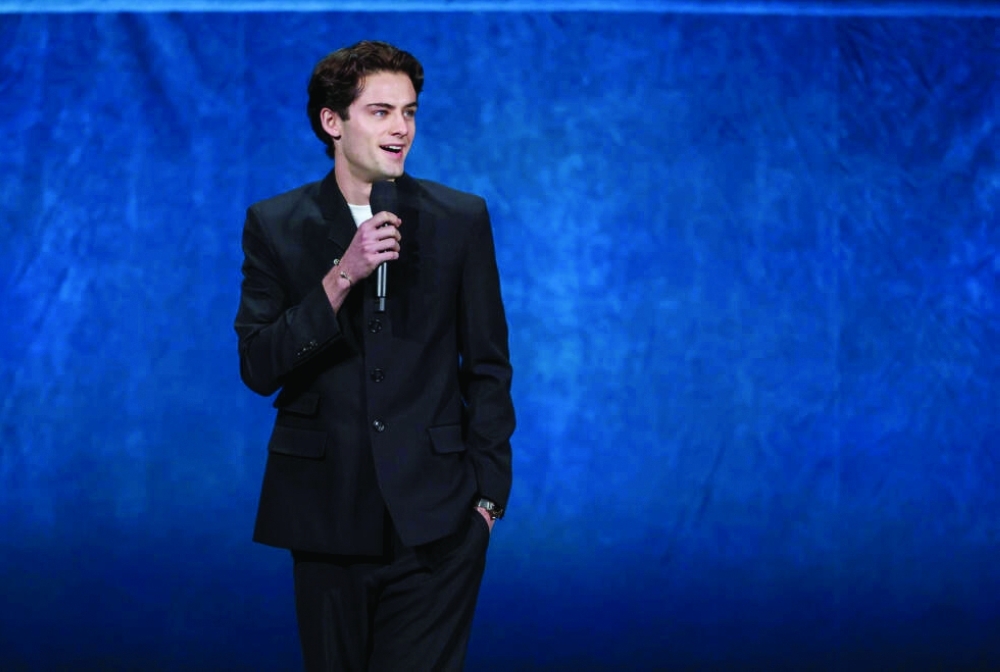





Once wary of artificial intelligence, Hollywood is increasingly embracing the technology, striking partnerships with AI start-ups and incorporating it into productions while insisting that the creative process itself will remain centred on human talent.
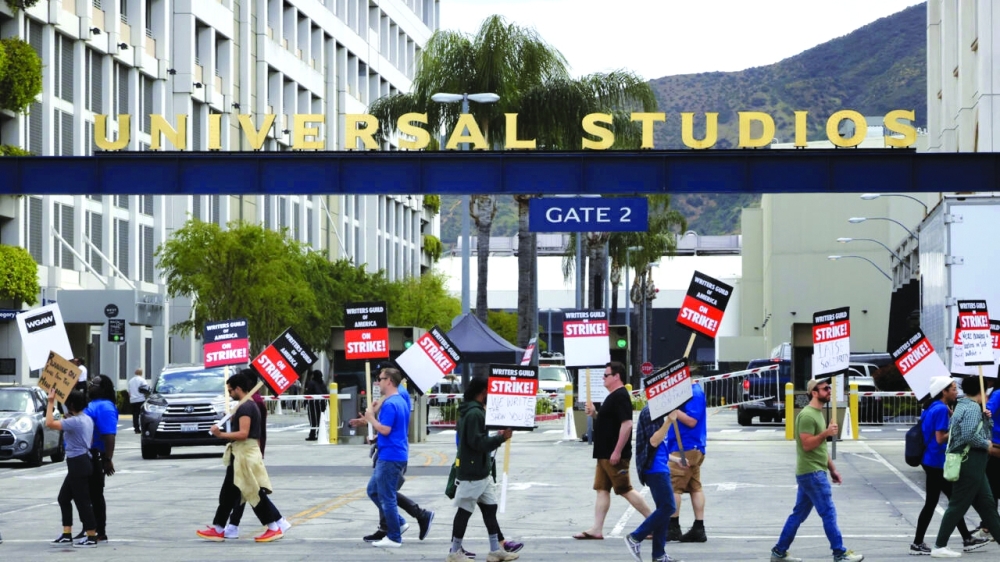
Just a few years ago, studios feared their intellectual property could be exploited by AI systems, while actors worried about being replaced by digital replicas. Those concerns became a major issue during the 2023 Hollywood strikes. Early AI-generated visuals, often criticised for obvious flaws, also reinforced scepticism.
Attitudes began shifting this year after Netflix acquired AI start-up InterPositive for $587 million. Co-founded in 2022 by producer, director and actor Ben Affleck, the company develops AI tools designed to support film and television production.
In June, Lionsgate also invested in AI video company Runway to collaborate on creative projects, while Google announced an investment in independent studio A24.
Recent advertising campaigns and short films have demonstrated how rapidly AI-generated video has improved. According to Runway, the technology has reached a stage where, if the story is compelling enough, audiences may barely notice AI's involvement.
Jamie Umpherson, Runway's chief creative officer, said growing familiarity with AI tools is allowing creative teams to focus more on storytelling and artistic style.
Netflix co-CEO Ted Sarandos echoed that view while presenting the company's latest financial results, saying AI has helped deliver higher-quality productions more efficiently. He revealed that generative AI workflows have already been used on around 300 Netflix titles, primarily during post-production for complex visual sequences.
Even so, Netflix appears to be using AI mainly to enhance existing production processes, from visualising concepts in pre-production to colour grading and creating sophisticated visual effects after filming.
Independent director and producer Jon Erwin believes AI should complement rather than replace film-making.
"Actors drive all the performances, and we use these tools to amplify the sets and the scope of the shows," he said. "We preserve the core of the film-making process, which is the relationship between the actor, the director and the camera."
Erwin's production company, Wonder Project, recently partnered with AI company Luma to develop what he describes as "hybrid" film-making. The process allows actors to perform on a regular set without green screens or motion-capture suits before AI generates realistic digital environments around them. Film-makers can review scenes within minutes, making it easier to adjust performances and reshoot if necessary.
The first feature produced using the approach, Young Washington, has grossed more than $40 million worldwide, according to the film-makers.
Despite the technological advances, questions remain about AI's long-term impact on employment across the film industry. Actor Matt Damon recently warned that large-scale productions like Christopher Nolan's The Odyssey may become increasingly difficult to justify if studios prioritise AI-driven efficiency.
While major studios including Paramount, Universal, Sony, Walt Disney and Warner Bros have yet to fully commit publicly to AI partnerships, industry observers believe wider adoption is inevitable. As Generated Group CEO Tanya Porquez put it: "Studios will have to get on board... it's just the wave."— AFP
Oman Observer is now on the WhatsApp channel. Click here